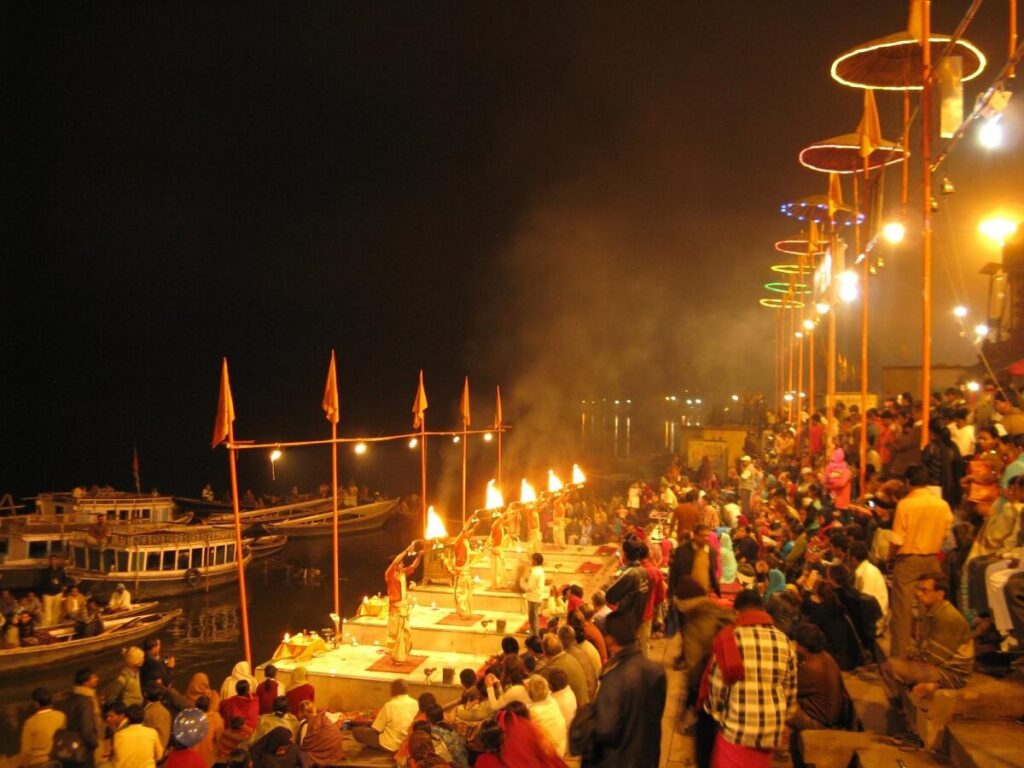
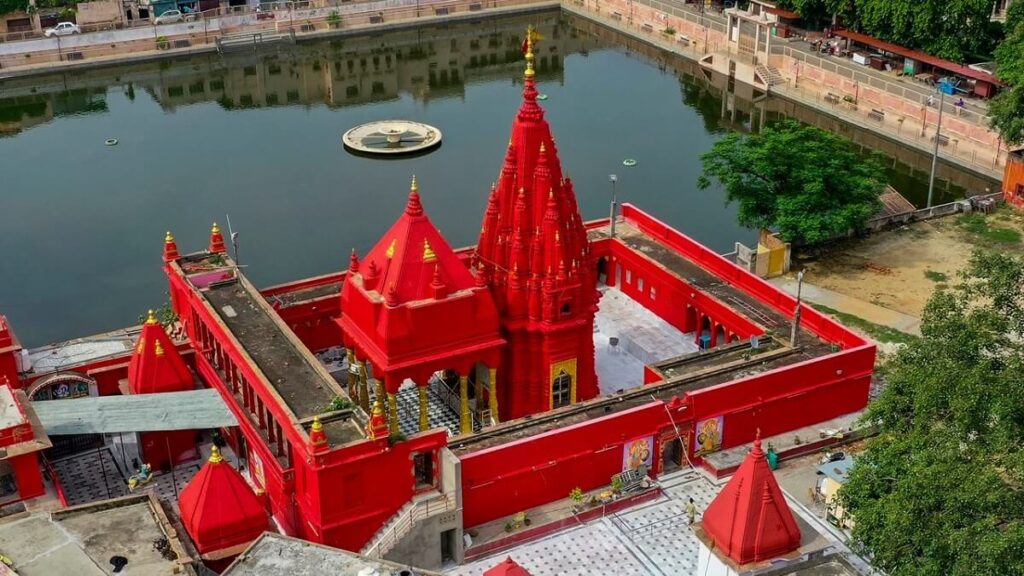
Located in the spiritual heart of India, the Durga Temple in Varanasi is much more than a religious structure; it’s a living symbol of faith, mythology, and tradition. Also known as Durga Kund Mandir , this temple is one of the oldest and most revered in the holy city of Kashi. With its distinctive red architecture, vibrant atmosphere, and connection to ancient legends, visiting this place is an experience that transcends the physical.
The Durga Temple is one of Varanasi’s most iconic sites. Located near other important temples such as the Sankat Mochan Mandir and the Tulsi Manas Mandir, this shrine is dedicated to the goddess Durga, a powerful incarnation of Shakti. Over the centuries, it has been visited by both pilgrims and tourists interested in Hindu culture, drawn by its palpable spirituality and unique atmosphere.
History and Origin of the Durga Temple
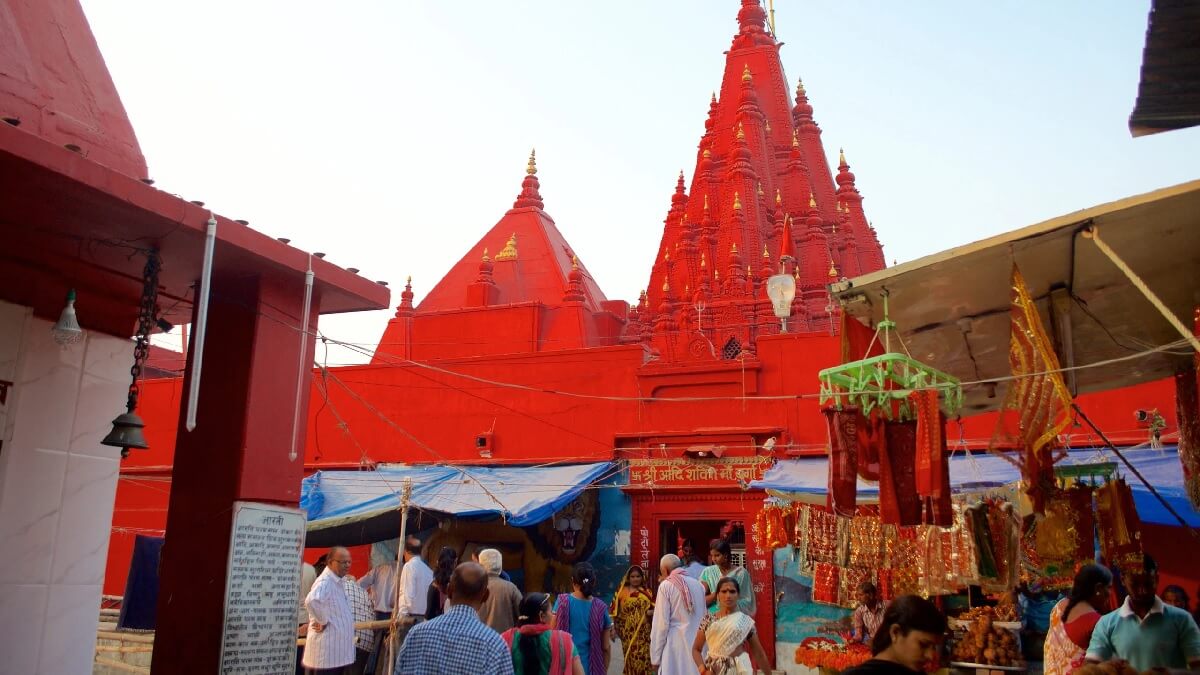
The history of the Durga Temple dates back to the 18th century, when it was built by the Bengali queen Rani Bhabani of Natore , a deeply devout philanthropist who funded numerous temples throughout India. The image of Durga present in the sanctum is said to have been not placed there by humans, but to have appeared miraculously, which adds to its sacredness.
The temple was erected as a place of divine protection for Varanasi, honoring the goddess who, according to scriptures, defended the city from various threats. These stories are recounted in texts such as the Devi-Bhagavata Purana , which highlights Durga’s role as the protector of dharma (cosmic justice).
Temple Architecture
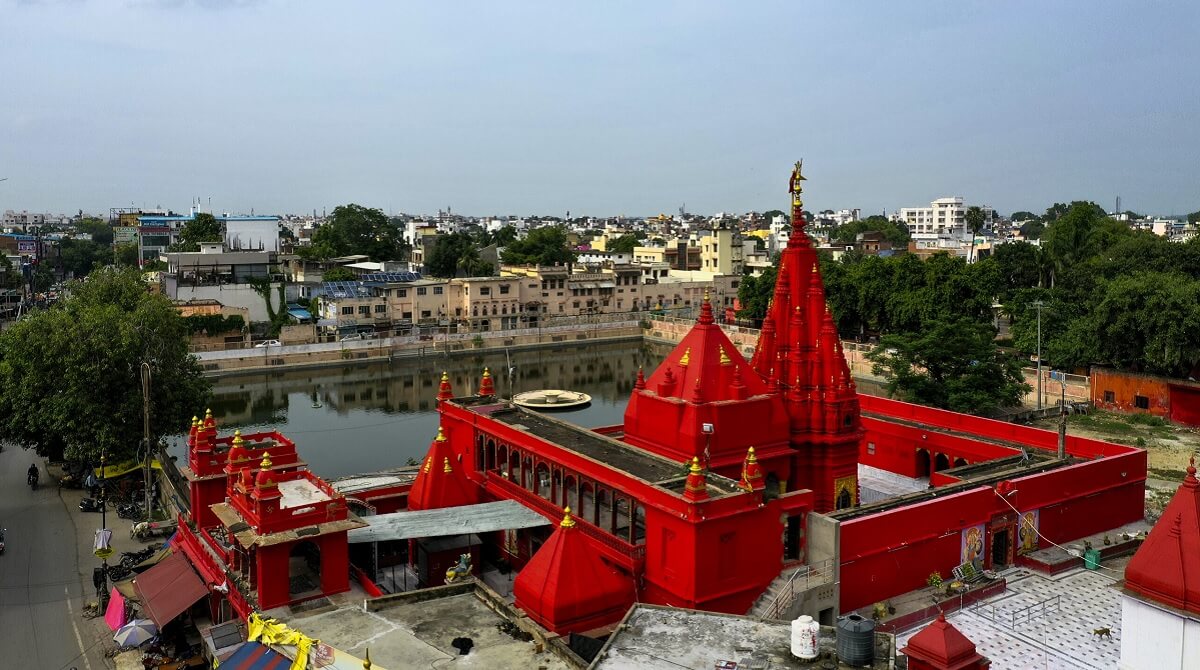
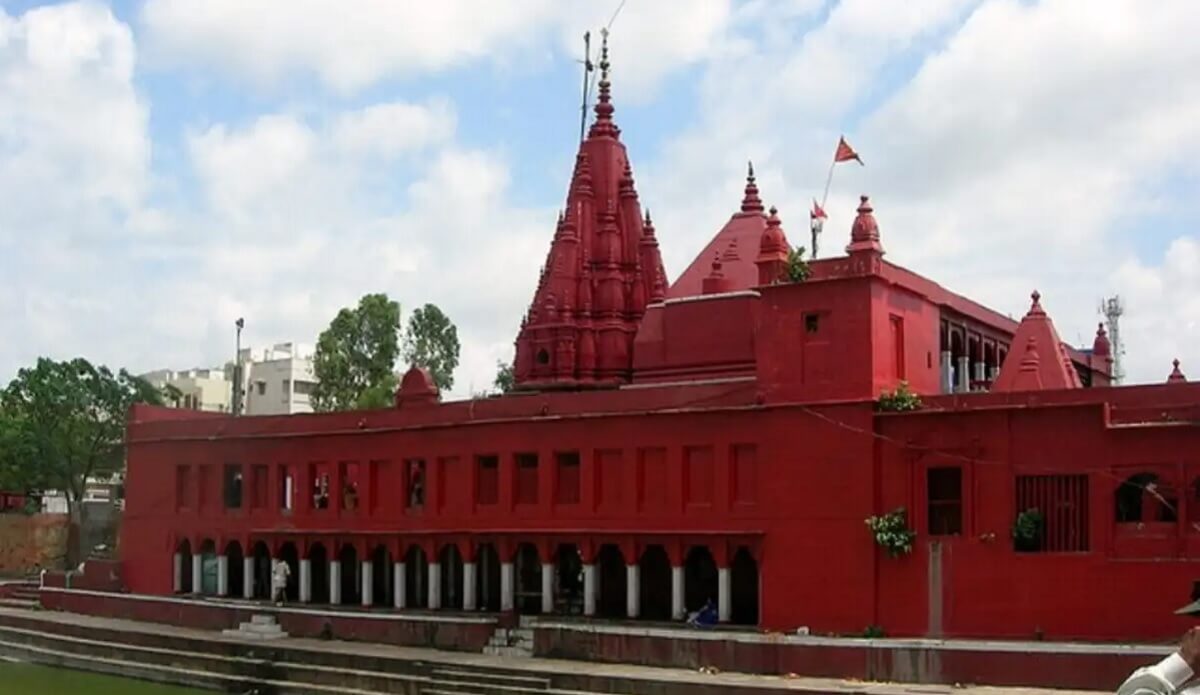
The Durga Temple is a jewel of the Nagara architectural style , typical of northern India. Its main structure is crowned by multiple ornate shikharas (towers) that rise majestically, all painted a deep red, a color associated with the goddess’s energy.
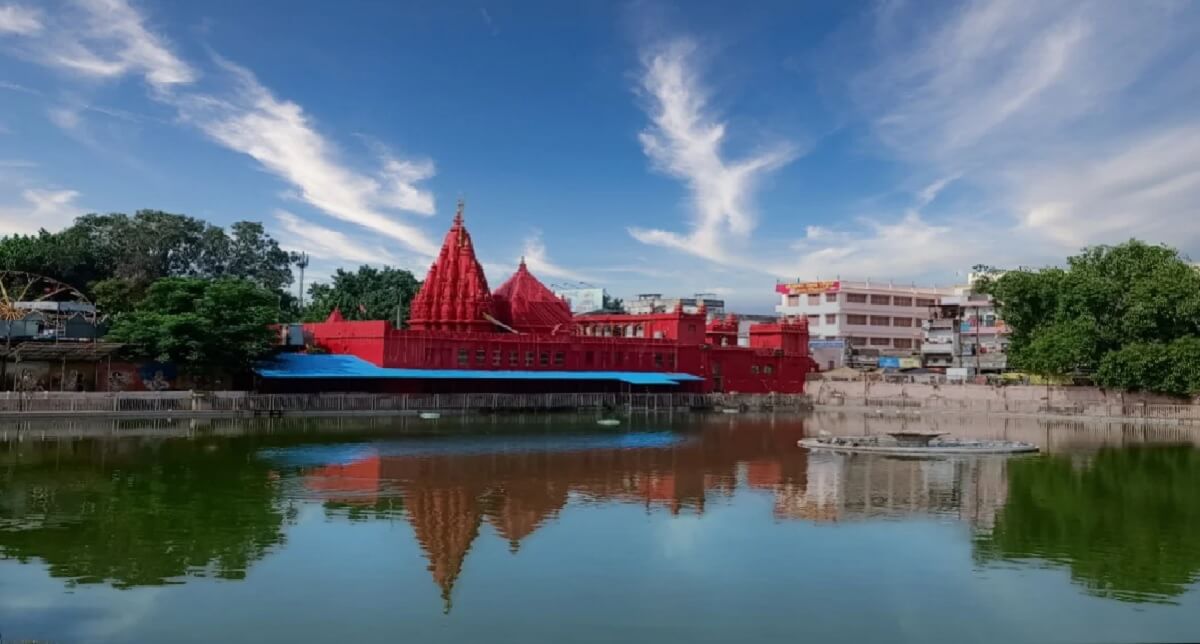
The temple is surrounded by a sacred pond known as Durga Kund , once used for rituals. The temple walls are decorated with intricate carvings of gods, mythological scenes, and floral patterns that reflect the region’s rich craft tradition. The vibrant red color not only symbolizes power but also spiritual protection.
Temple and Darshan Timings
The temple is open every day of the week, and its timings allow devotees to participate in meaningful rituals and receive darshan (sacred vision of the deity):
- Morning hours: 5:00 am to 12:00 pm
- Afternoon hours: 4:00 pm to 9:00 pm
During these periods, ceremonies such as the Mangala Aarti (at dawn) and the Sandhya Aarti (at dusk) are performed . The temple is filled with devotional songs, the sound of bells, and the scent of incense, creating a mystical atmosphere.
Pooja and Ritual Schedules
The Durga Temple celebrates several poojas (rituals) throughout the day. Below is a summary of the most important ones:
- Mangala Aarti: 5:15 am – Morning rituals to start the day with blessings.
- Shringar Pooja: 7:30 am – Decoration of the deity with flowers and ornaments.
- Bhog Aarti: 12:00 pm – Offering food to the goddess.
- Sandhya Aarti: 6:30 pm – Evening Aarti with chanting and lighting of lamps.
- Shayan Aarti: 8:30 pm – Farewell ritual before closing the temple.
Visitors can participate as observers or devotees, and it is recommended to arrive early to fully enjoy the experience.
Suggested itineraries for your trip to Varanasi
- 15-Day India and Nepal Tour – Cultural Adventure
- Classic India Tour in 10 Days: Delhi, Agra, Jaipur, and Varanasi
- The Best of India in 15 Days – Private Cultural Tour
- Discover India in 16 Days – Ideal for a First Trip
- India and Nepal Combined Tour 16 Days – Unique Experience
- North India and Kerala in 21 Days – Authentic Journey
Important Festivals Celebrated at the Temple
The Durga Temple is transformed during festivals, especially those dedicated to the goddess. Some of the most important festivals include:
Navratri (March/April and September/October)
During the nine days of Navratri, the temple is decorated with lights, flowers, and red flags. Each day is dedicated to a different form of the goddess Durga. Devotional dances such as garba are performed , as well as special rituals.
Durga Puja (September-October)
This festival is a grand celebration honoring the victory of good over evil. Processions, theatrical performances of the story of Durga, and elaborate rituals are held.
Nag Panchami (July-August)
Although dedicated to sacred serpents, the Durga Kund pond becomes a focal point during this festival, as women make offerings to the nagas for the protection of their families.
Vijayadashami
The last day of Navratri, with rituals symbolizing spiritual triumph. Many devotees end their pilgrimage at this temple.
How to Get to Durga Temple
The temple is centrally located in the Durga Kund area of Varanasi. It can be easily accessed from any part of the city.
Transportation options:
- Nearest Airport: Lal Bahadur Shastri International Airport (25 km from the temple).
- Nearest railway station: Varanasi Junction (around 5 km).
- By taxi/rickshaw: Services available from stations, ghats or airports.
- By local bus: Get off at the Durga Kund bus stop; from there, walk about 100 meters.
Small vehicles are recommended due to the narrow streets surrounding the temple.
Location with address: https://maps.app.goo.gl/GSXpTCs8QuzpTAev7
Nearby Attractions You Can Visit
If you visit the Durga Temple, be sure to also explore these nearby attractions:
- Tulsi Manas Mandir
Located a few meters away, this temple is dedicated to the poet Tulsidas, who wrote the “Ramcharitmanas.” It is a modern but deeply significant temple.
- Sankat Mochan Hanuman Mandir
An important temple dedicated to the god Hanuman. Frequently visited by students and those seeking spiritual protection.
- Kashi Vishwanath Temple
One of the twelve jyotirlingas of Shiva and one of the most sacred temples in Hinduism.
- Ghats of the Ganges
From Dashashwamedh to Assi Ghat, one can experience the Ganga Aarti ceremony at dusk.
- Banaras Hindu University (BHU)
One of Asia’s most prestigious universities, with the Vishwanath Temple on campus.
- Sarnath
Historic site where Buddha gave his first sermon, ideal for a half-day trip.
Tips for Visitors
- Dress code: Wear modest clothing that covers shoulders and legs.
- Photography: Photography is not permitted in the sanctum sanctorum. Ask permission if you wish to photograph other areas.
- Avoid carrying food or large bags: Some areas restrict these items for security reasons.
- Caution with monkeys: The temple is also known as the “Monkey Temple.” Keep your belongings safe.
- Local guide: Hiring one can enrich your visit with explanations of legends and symbolic meanings.
Unique Spiritual Experience
Visiting the Durga Temple is a profound experience, even if you don’t profess the Hindu faith. The vibrant energy of the place, the meaningful rituals, and the devotion of the pilgrims allow you to connect with the spiritual dimension of India. Whether through its history, architecture, or symbolic power, this temple has a way of leaving its mark on every visitor.
Conclusion
The Durga Temple in Varanasi is much more than a religious site: it’s a sanctuary of faith, history, and divine energy. From its stunning red architecture to the legends surrounding it, it offers an unforgettable experience for those seeking spirituality, culture, or simply a glimpse into traditional Indian life. Be sure to include it in your itinerary if you visit the eternal city of Kashi.
Check out more articles on how to visit Varanasi:
- Varanasi Travel Guide: What You Need to Know
- Top 10 Essential Temples in Benares
- 13 Unmissable Places to Visit in Benares
- Ganges Aarti in Varanasi: Complete Guide
- Manikarnika Ghat in Varanasi: History and What to See
- How to Get to Varanasi: A Traveler’s Guide
- Kashi Vishwanath Temple in Varanasi: Complete Guide
- The Best Restaurants in Varanasi
- List of Most Popular Ghats of Varanasi
- Best Places to Visit in Varanasi in March 2025
- Best Time to Visit Varanasi: Complete Travel Guide
- Varanasi Weather in January 2025: Travel Guide
- Ganges Aarti at Dashashwamedh Ghat Varanasi
- The most important thing about Dhamek Stupa, Sarnath
- Las 12 mejores cosas que hacer en Varanasi – Guía de viaje completa